
Trust
Our Quality & Inspection Process
What happens between your order being confirmed and the container leaving for your site. Eighteen documented checks, in a fixed order, on every unit.
Why this matters
A container is not a product you can send back in a box. Once it is on your site, a soft floor section, a misaligned door or a perforated roof panel becomes an expensive, awkward problem involving cranes and trucks. The economics only work if the checking happens before dispatch.
That is the reason for a fixed routine rather than a general look-over. A checklist performed in the same order every time catches the things a quick glance misses, and it produces a record of what was found.
The routine
Eighteen checks before release
1. Product identification
The container number, and where applicable the CSC plate and manufacturer data plate, are recorded so the physical unit is tied to a specific record.
2. Product and order verification
The identified unit is checked against the order: size, height class, type, condition class and any specified configuration or colour.
3. Exterior inspection
A full walk of all four sides looking for impact damage, panel deformation, corrosion, previous repairs and paint condition.
4. Structural inspection
Assessment of the container as a load-bearing structure, including squareness and whether the unit sits true on a level surface.
5. Frame inspection
Corner posts, corner castings, top and bottom rails and cross members checked for deformation, cracking and corrosion at the base rail.
6. Weld inspection
Visual inspection of factory welds and, on converted units, of conversion welds at re-ended and modified sections.
7. Door inspection
Doors operated through full travel. Alignment, closing action and the fit of the leaves against the frame are checked, not just whether they open.
8. Hardware inspection
Hinges, cams, keepers, locking bars, handles and lockbox checked for function, wear and correct engagement.
9. Floor inspection
The floor is walked and inspected for damage, soft sections, delamination, oil contamination, previous repairs and secure fixing to the cross members.
10. Roof inspection
The roof is checked for impact dishing, standing water, corrosion and any penetration. Dished roof panels that pond water are noted.
11. Wall inspection
Side and end walls inspected internally and externally, including a check for daylight through panel joints and repairs.
12. Locking mechanism inspection
Locking bars, cams and keepers checked for alignment and secure engagement, and the lockbox checked where fitted.
13. Seal inspection
Door gaskets and seals checked for splits, hardening, displacement and compression against the frame.
14. Ventilation inspection
Where fitted, vents are checked for obstruction and damage, and the ventilation provision is assessed against the intended use.
15. Specialty component inspection
Refrigeration units, insulation, bunded floors, roller mechanisms, side door gear, electrical installations and any converted element checked against their own criteria.
16. Finish inspection
Paint condition, coverage and colour checked against the product description, and any agreed repaint verified.
17. Documentation
Findings are recorded against the order, including anything noted for disclosure and any remedial work carried out.
18. Final quality review
A closing review confirms the unit matches the order and that nothing outstanding remains before release.
After the checks
Shipment preparation
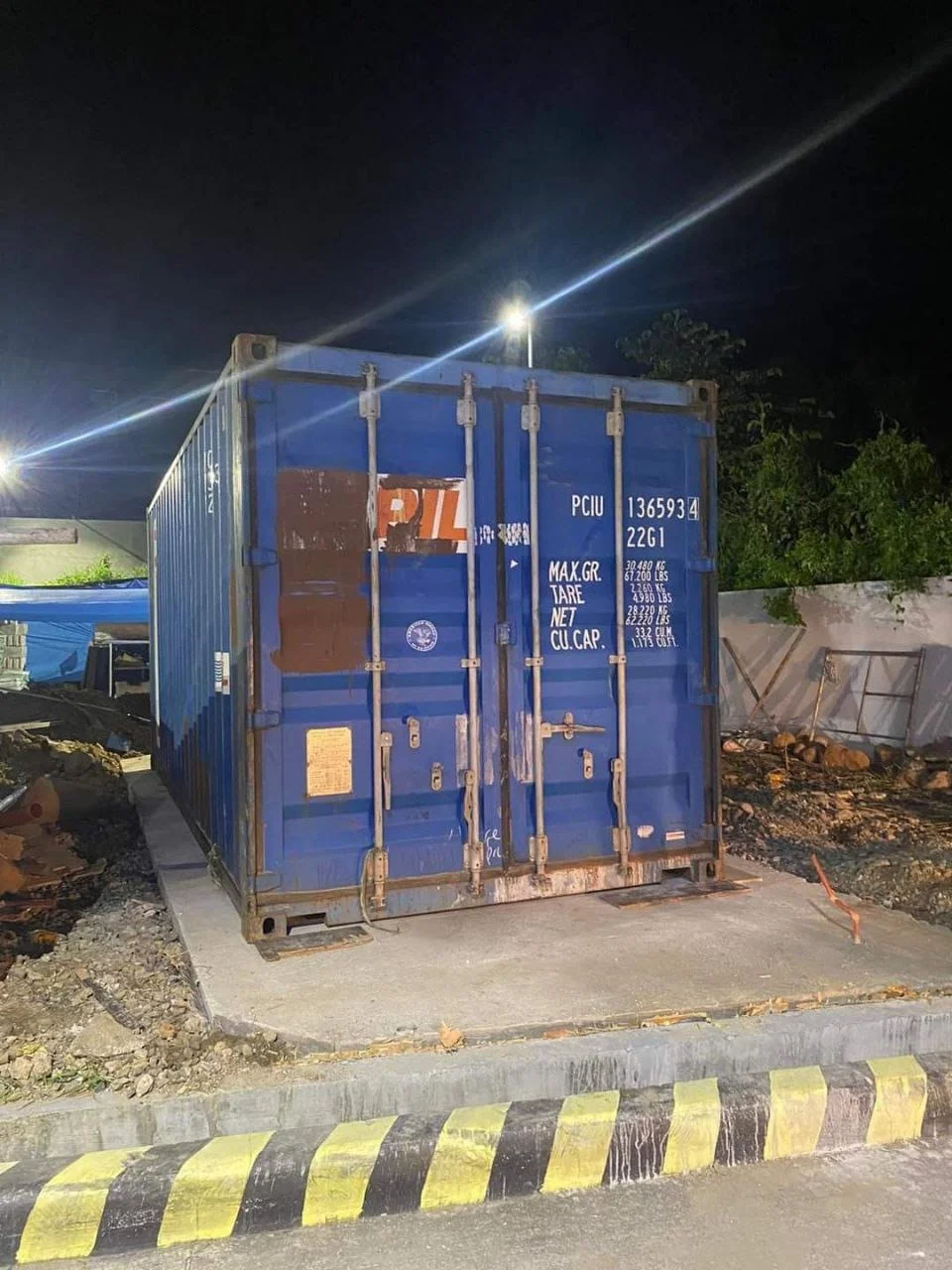
Once a unit passes final review it is prepared for transport. Doors are secured, any loose hardware is checked, the interior is cleared, and the unit is presented for loading in a condition where transit damage would be obvious rather than ambiguous.
- Doors closed, locking bars seated and secured for transit.
- Interior cleared of debris, packaging and anything left from previous use.
- Condition recorded so that any transit damage can be distinguished from pre-existing marks.
- Unit released to the carrier with the order reference attached.
- Delivery expectations confirmed so the carrier can contact you to agree access.
Honesty
What inspection does not mean
It does not turn a used container into a new one
A used unit is inspected against the condition class it was sold under. Dents, surface rust and paint variation are expected and are not defects. The checks confirm it is structurally sound and wind and watertight.
It does not replace your inspection at delivery
You should still walk the container before the driver leaves. Transit is the one stage we cannot check, which is exactly why handover inspection matters.
It is not a certification service
This is our internal preparation routine, not a third-party survey or a statutory inspection. Where a CSC plate or other certification applies to a unit, that is stated on the product page.
Questions about a unit?
Ask before you order
If you want to know more about the condition of a specific container, ask. It is a faster conversation than a return.