
Category
Shipping Containers
Steel intermodal containers for storage, site security, business use and industrial applications. New, used, refurbished and specialty configurations from 8 FT to 40 FT.
What a shipping container actually is
A shipping container is a standardised steel box built to carry cargo by sea, rail and road. The construction is deliberately over-engineered: corrugated Cor-Ten weathering steel panels, a welded steel frame, cast corner fittings rated to be lifted and stacked when fully loaded, and a marine plywood floor on steel cross members. The doors carry rubber seals, multiple locking bars and cam keepers.
That specification is why containers work so well as storage. A structure designed to survive years at sea will comfortably handle a decade in a yard. It is weather-resistant, difficult to break into, needs no foundations, requires very little maintenance, and can be lifted onto a truck and moved somewhere else when your requirements change.
Choosing the right container
Four decisions cover almost every purchase. Size determines capacity: 10 FT is roughly half a garage, 20 FT roughly one garage, 40 FT roughly two. Height class is standard or high cube, with high cube adding around a foot of internal headroom. Condition runs from used through refurbished to one trip, trading appearance against cost. Configuration covers door arrangement and specialist features: double doors, side opening, roller doors, open tops, refrigeration, insulation and bunded floors.
If any of those decisions is unclear, the container finder works through them in five short questions and returns a shortlist from the live catalog.
Delivery considerations
Containers are delivered by large vehicles that need a straight approach, room to manoeuvre and clear space overhead. The placement area should be firm and level, ideally on hardstanding, concrete pads or timber sleepers that spread the load and keep the floor clear of standing water. A container placed out of level will twist slightly, and the first symptom is doors that no longer close cleanly.
Product quality
Every order runs through a documented verification and inspection routine before it is released for dispatch, covering identification, structure, welds, doors, hardware, floor, roof, walls, seals and any specialty components fitted. What that involves is set out in full on the quality and inspection page.
Common applications
What people buy shipping containers for
Secure storage
Dry, lockable storage for household goods, business stock, equipment and seasonal items, without building anything permanent.
Construction sites
Tool and material stores that arrive on a truck, lock securely and move to the next site when the phase ends.
Agriculture
Feed, seed, chemicals, spares and machinery kept dry and secure in locations far from the main buildings.
Business and retail
Stock rooms, workshop space, pop-up retail and back-of-house storage for premises with no spare floor area.
Industrial use
Plant spares, consumables and process materials on yards, depots and manufacturing sites.
Temperature control
Refrigerated and insulated units for chilled, frozen and temperature-sensitive storage.
Workspace
Site offices, welfare space and combination units that pair an office with secure storage.
Distribution overflow
Additional capacity next to an existing building, scaled up and down as demand changes.
From the catalog
Shipping containers available now
A cross-section of current stock. Use the catalog filters to narrow by size, type, height, condition and price.
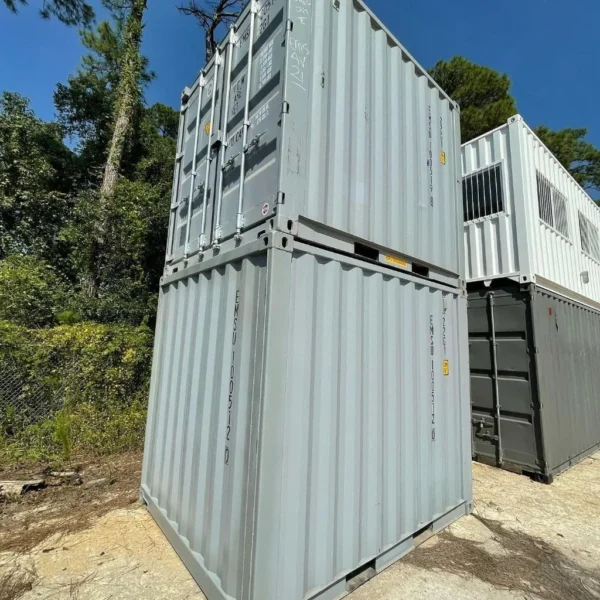
8ft x 8ft storage and shipping containers (New & Fairly used)
- Footprint
- 8 ft x 8 ft
- Height
- 8 ft 6 in
Delivery $450 · 5 business days
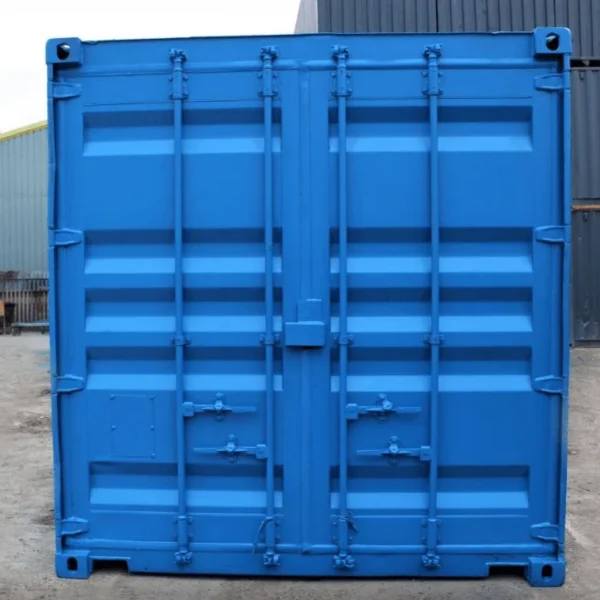
Refurbished 8FT Storage & Shipping Container
- Footprint
- 8 ft x 8 ft
- Height
- 8 ft 6 in
Delivery $450 · 5 business days
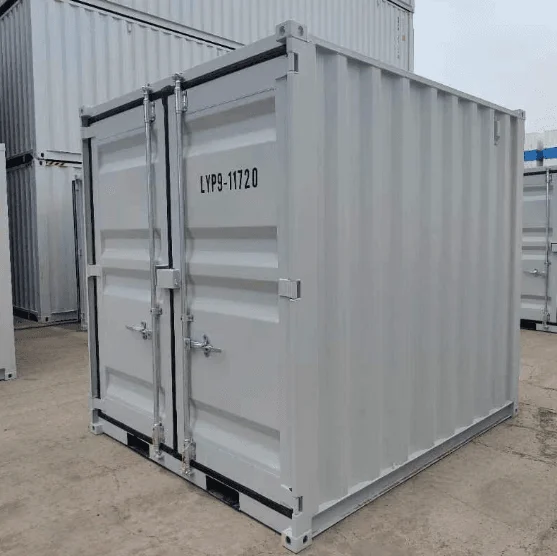
9ft A-Grade Shipping Container
- Footprint
- 9 ft x 8 ft
- Height
- 8 ft 6 in
Delivery $450 · 5 business days
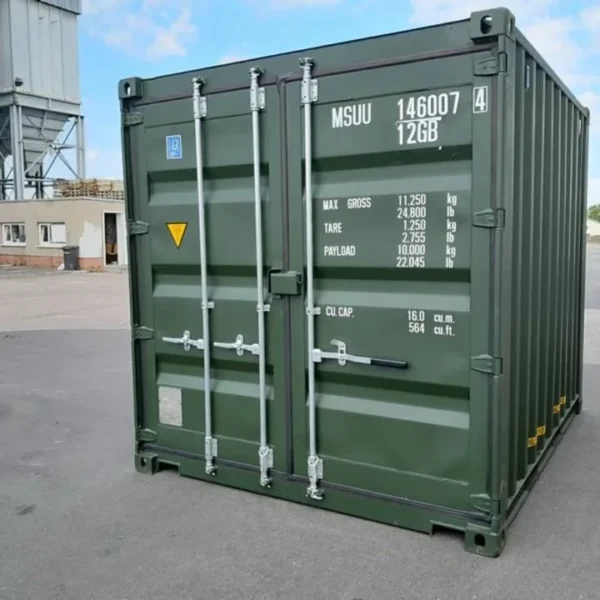
10 foot High Cube Shipping Containers (New)
- Footprint
- 10 ft x 8 ft
- Height
- 9 ft 6 in
Delivery $450 · 5 business days
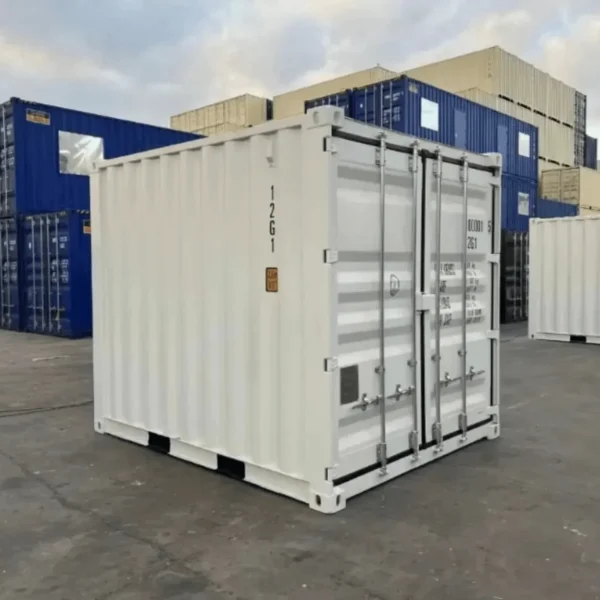
10 ft High Cube Shipping Containers White (New)
- Footprint
- 10 ft x 8 ft
- Height
- 9 ft 6 in
Delivery $450 · 5 business days
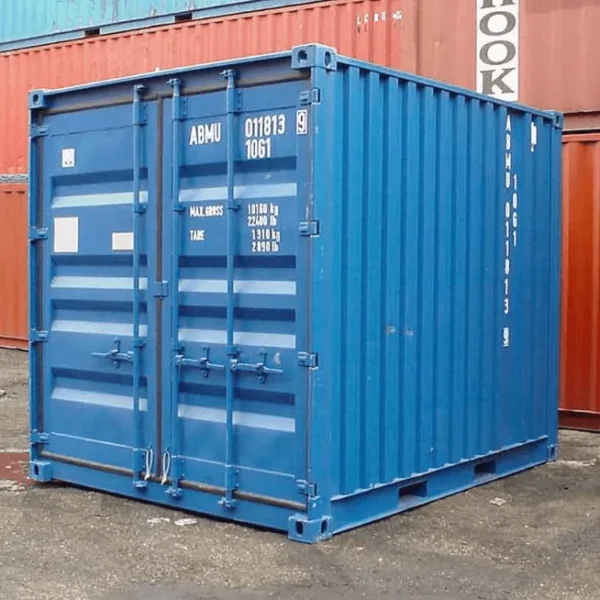
10-Foot Standard (Dry) Containers
- Footprint
- 10 ft x 8 ft
- Height
- 8 ft 6 in
Delivery $450 · 5 business days
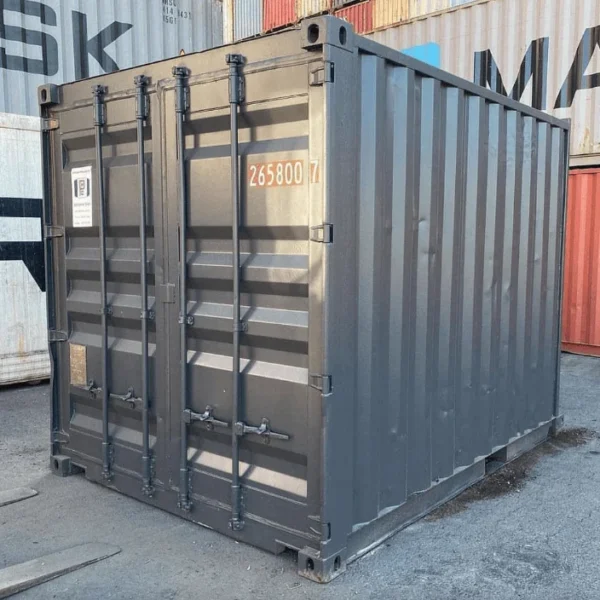
10FT Cut Down Used Container
- Footprint
- 10 ft x 8 ft
- Height
- 8 ft 6 in
Delivery $450 · 5 business days
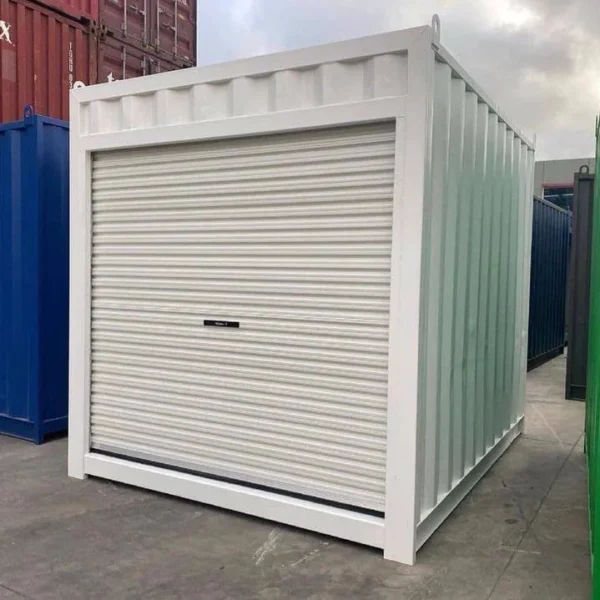
10ft DNV Offshore Containers (New and Used)
- Footprint
- 10 ft x 8 ft
- Height
- 8 ft 6 in
Delivery $450 · 5 business days
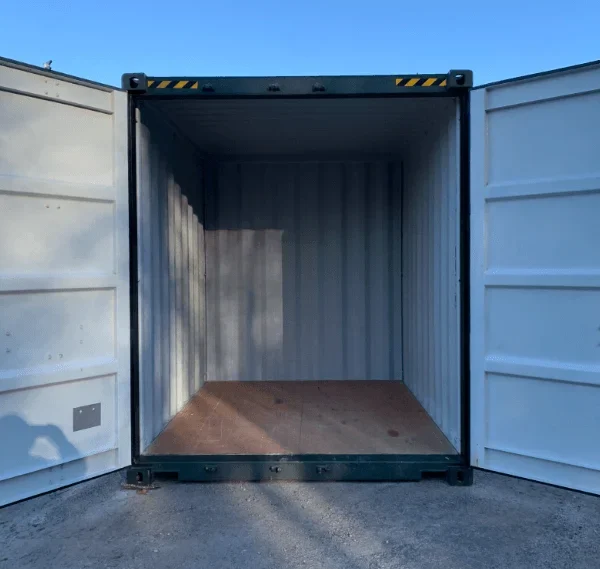
10ft green High Cube shipping container
- Footprint
- 10 ft x 8 ft
- Height
- 9 ft 6 in
Delivery $450 · 5 business days
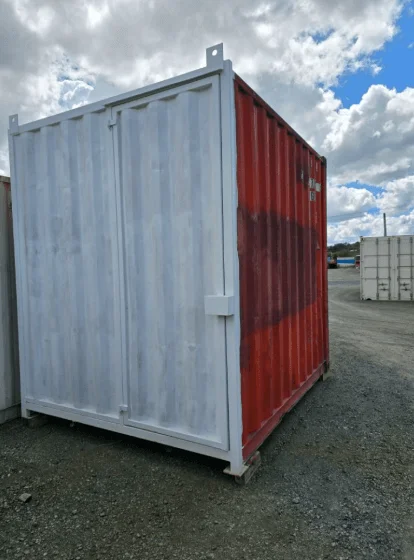
10ft High Cube Shipping Container Compact, Tall & Wind/Watertight
- Footprint
- 10 ft x 8 ft
- Height
- 9 ft 6 in
Delivery $450 · 5 business days
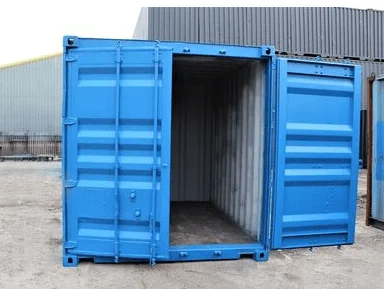
10FT Raised Bunded Storage Container
- Footprint
- 10 ft x 8 ft
- Height
- 8 ft 6 in
Delivery $450 · 5 business days
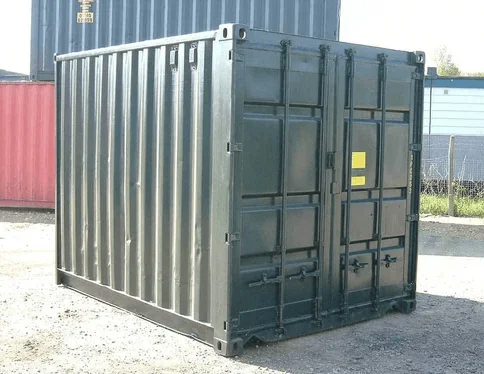
10FT RAISED BUNDED STORE (The Versatile Storage Solution)
- Footprint
- 10 ft x 8 ft
- Height
- 8 ft 6 in
Delivery $450 · 5 business days
Sizes
Every size in the catalog
Questions
Shipping container FAQs
How long does a shipping container last?
A container built to ISO standards and kept on level ground with the paint maintained will normally give decades of service as static storage. The limiting factors are corrosion at the base rails and floor, and door seal deterioration, both of which are manageable with routine maintenance.
Do I need planning permission?
Requirements vary by location and by how the container will be used. Temporary storage on a commercial site is treated very differently from a permanent structure or an occupied building. Check with your local authority before ordering if you are unsure.
Can a container be moved after delivery?
Yes. That is one of the main advantages of the format. It can be lifted onto a truck and relocated, provided access allows and the ground at both ends is suitable.
Do containers need foundations?
Not in the conventional sense, but they do need a firm, level bearing surface. Concrete pads, railway sleepers or compacted hardcore under the four corners are the usual solutions.
What is Cor-Ten steel?
A weathering steel that forms a stable oxide layer on the surface, which slows further corrosion. It is why containers resist rust far better than mild steel, and why surface rust on a used unit is usually cosmetic rather than structural.
Are containers watertight?
A container in sound condition with intact seals is wind and watertight. That condition is checked as part of our preparation routine, and it is the single most important thing to verify on any used unit.
Ready to choose?
Find the right shipping container
Filter the full catalog, compare units side by side, or answer five short questions and let the finder shortlist for you.