
Shop by application
Containers matched to the way you will use them
Applications drive specification. A unit that spends ten years on a fixed yard has different priorities to one that moves between job sites every few months. Each section below explains what matters, then shows the products from our catalogue that suit it.
Everyday use
General and long-term storage
The most common reason people buy rather than rent. A wind and watertight container gives you lockable, weatherproof space without planning applications or foundations.
- Cargo-worthy or refurbished units are usually the best value for static storage
- 20 ft suits most households and small businesses; 40 ft suits bulk or long items
- High cube adds roughly a foot of internal height for racking and stacked pallets
- Set the unit on a firm, level base so the doors stay square
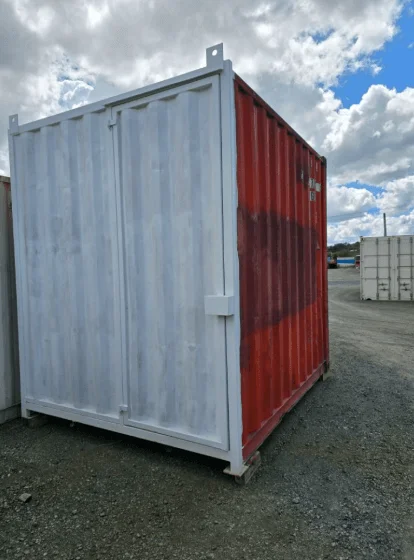
10ft High Cube Shipping Container Compact, Tall & Wind/Watertight
- Footprint
- 10 ft x 8 ft
- Height
- 9 ft 6 in
Delivery $450 · 5 business days
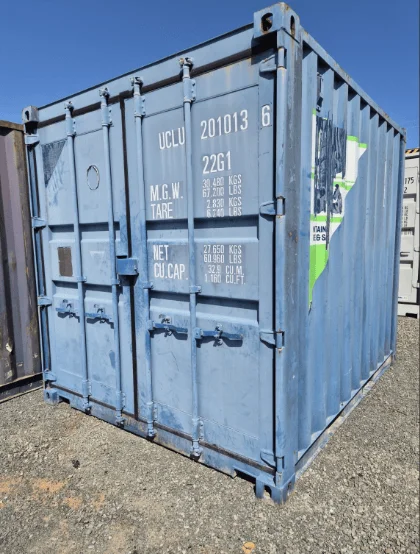
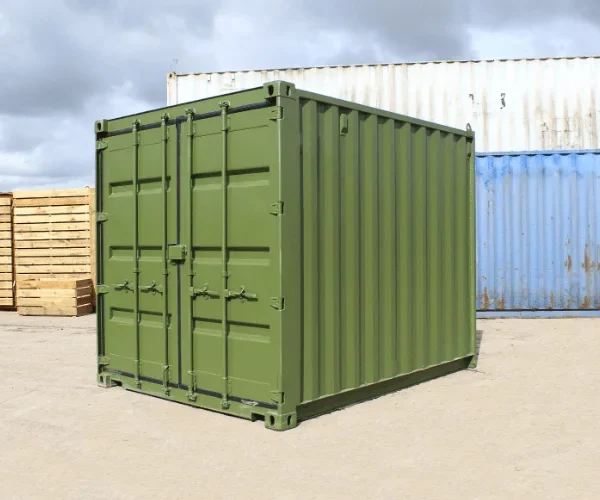
10ft Used Shipping Container - S2 Doors
- Footprint
- 10 ft x 8 ft
- Height
- 8 ft 6 in
Delivery $450 · 5 business days
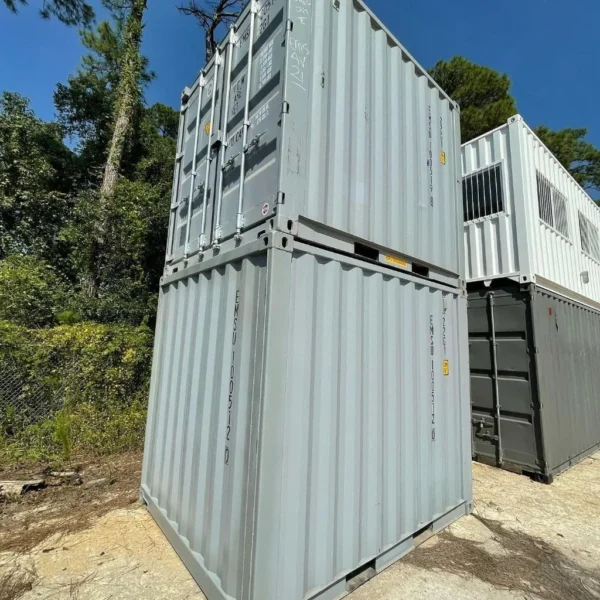
8ft x 8ft storage and shipping containers (New & Fairly used)
- Footprint
- 8 ft x 8 ft
- Height
- 8 ft 6 in
Delivery $450 · 5 business days
Mobile and secure
Job site storage and tool security
Site containers take abuse: they get lifted, dragged, relocated and broken into. Specification should favour structure and security over cosmetics.
- Choose a shorter unit if the site access is tight or the container will move often
- Double door and roller door units speed up daily loading and unloading
- Lock boxes and heavy padlocks matter more than paint condition
- Plan the drop point so the doors open away from traffic and stacked materials
10ft High Cube Shipping Container Compact, Tall & Wind/Watertight
- Footprint
- 10 ft x 8 ft
- Height
- 9 ft 6 in
Delivery $450 · 5 business days
10ft Used Shipping Container - S2 Doors
- Footprint
- 10 ft x 8 ft
- Height
- 8 ft 6 in
Delivery $450 · 5 business days
8ft x 8ft storage and shipping containers (New & Fairly used)
- Footprint
- 8 ft x 8 ft
- Height
- 8 ft 6 in
Delivery $450 · 5 business days
Projects and phases
Construction and contracting
Construction buyers usually need storage that arrives fast, survives the programme and holds resale value once the project closes.
- Buying often beats long hire once a project runs beyond several months
- Keep materials, plant and consumables in separate units where theft risk is high
- Consider an office unit alongside a storage unit for site administration
- Check overhead clearance on the approach before delivery day
10ft High Cube Shipping Container Compact, Tall & Wind/Watertight
- Footprint
- 10 ft x 8 ft
- Height
- 9 ft 6 in
Delivery $450 · 5 business days
10ft Used Shipping Container - S2 Doors
- Footprint
- 10 ft x 8 ft
- Height
- 8 ft 6 in
Delivery $450 · 5 business days
8ft x 8ft storage and shipping containers (New & Fairly used)
- Footprint
- 8 ft x 8 ft
- Height
- 8 ft 6 in
Delivery $450 · 5 business days
Space that works
Business, workshop and workspace
When people will spend time inside the container, insulation, light, ventilation and door layout matter far more than raw capacity.
- Office units arrive with a finished interior; check the published specification for what is included
- Insulated units hold temperature better and reduce condensation
- Open side units make a shop front or servery practical
- Plan power and access before the unit is positioned
10ft High Cube Shipping Container Compact, Tall & Wind/Watertight
- Footprint
- 10 ft x 8 ft
- Height
- 9 ft 6 in
Delivery $450 · 5 business days
10ft Used Shipping Container - S2 Doors
- Footprint
- 10 ft x 8 ft
- Height
- 8 ft 6 in
Delivery $450 · 5 business days
8ft x 8ft storage and shipping containers (New & Fairly used)
- Footprint
- 8 ft x 8 ft
- Height
- 8 ft 6 in
Delivery $450 · 5 business days
Land and livestock
Agriculture and rural storage
Farm use is hard on equipment. Containers work well because there is nothing to rot, and they can be sited away from buildings without services.
- Feed, seed and chemicals benefit from a dry, vermin-proof enclosure
- Position on hard standing so tractors can reach the doors in winter
- Ventilation reduces condensation when storing organic material
- Refrigerated units suit short-term produce holding where power is available
10ft High Cube Shipping Container Compact, Tall & Wind/Watertight
- Footprint
- 10 ft x 8 ft
- Height
- 9 ft 6 in
Delivery $450 · 5 business days
8ft x 8ft storage and shipping containers (New & Fairly used)
- Footprint
- 8 ft x 8 ft
- Height
- 8 ft 6 in
Delivery $450 · 5 business days
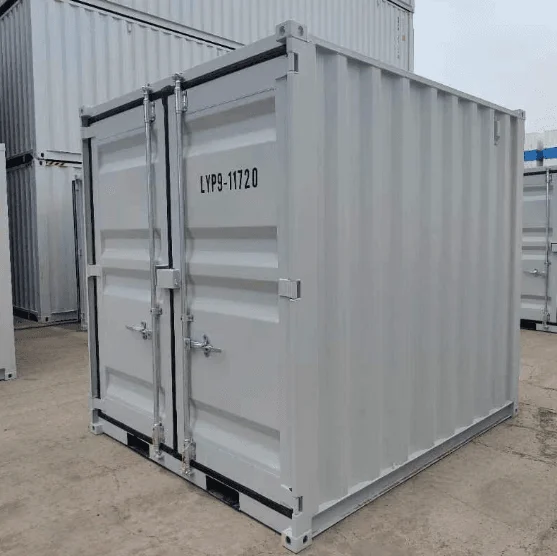
9ft A-Grade Shipping Container
- Footprint
- 9 ft x 8 ft
- Height
- 8 ft 6 in
Delivery $450 · 5 business days
Plant and process
Industrial and manufacturing
Industrial buyers tend to need specific loading geometry: side access, top loading, or a clear span for oversized components.
- Open top units allow crane loading of items that will not pass through end doors
- Open side units give full-length access for long or awkward loads
- Bunded units are designed for controlled storage of liquids
- Confirm floor loading and forklift access for the goods you intend to store
10ft High Cube Shipping Container Compact, Tall & Wind/Watertight
- Footprint
- 10 ft x 8 ft
- Height
- 9 ft 6 in
Delivery $450 · 5 business days
8ft x 8ft storage and shipping containers (New & Fairly used)
- Footprint
- 8 ft x 8 ft
- Height
- 8 ft 6 in
Delivery $450 · 5 business days
9ft A-Grade Shipping Container
- Footprint
- 9 ft x 8 ft
- Height
- 8 ft 6 in
Delivery $450 · 5 business days
Temperature control
Cold storage and refrigerated units
Refrigerated and insulated containers extend usable storage to chilled and frozen goods, seasonal overflow and temperature-sensitive materials.
- Refrigerated units require a suitable power supply; confirm this before delivery
- Insulated units without machinery still moderate temperature swings
- Set the unit close to the power source to avoid long temporary runs
- Check the published specification for temperature range and machinery details
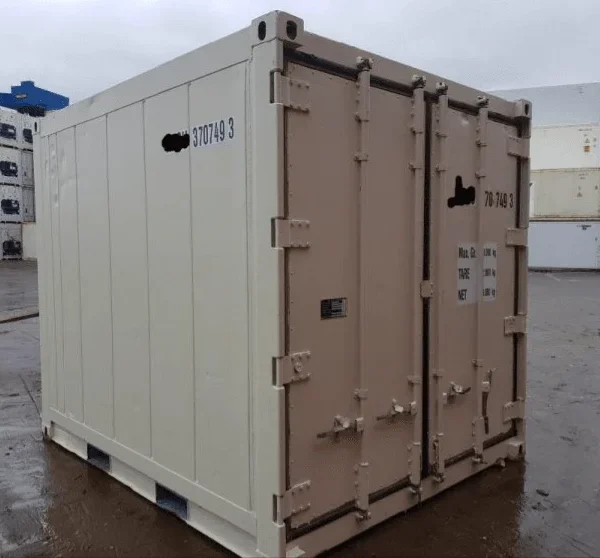
Used 10ft x 8ft Reefer Container (10 High)
- Footprint
- 10 ft x 8 ft
- Height
- 8 ft 6 in
Delivery $450 · 5 business days
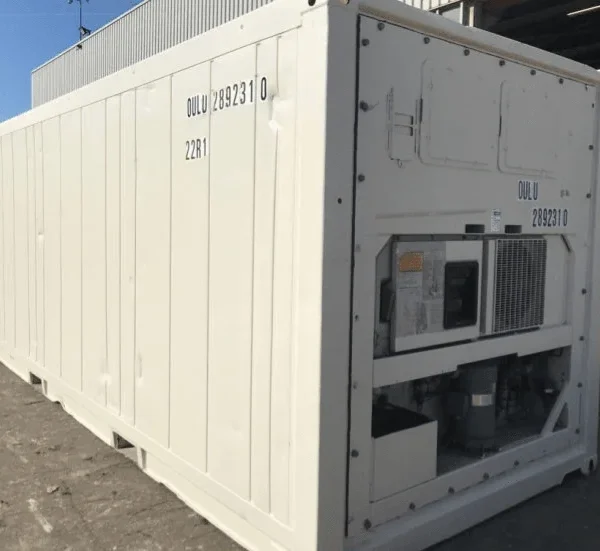
20ft Dual Temperature Reefer Container
- Footprint
- 20 ft x 8 ft
- Height
- 8 ft 6 in
Delivery $450 · 5 business days
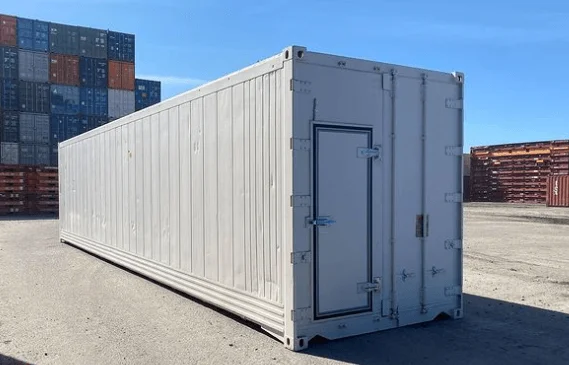
40FT Refrigerated Container
- Footprint
- 40 ft x 8 ft
- Height
- 9 ft 6 in
Delivery $450 · 5 business days
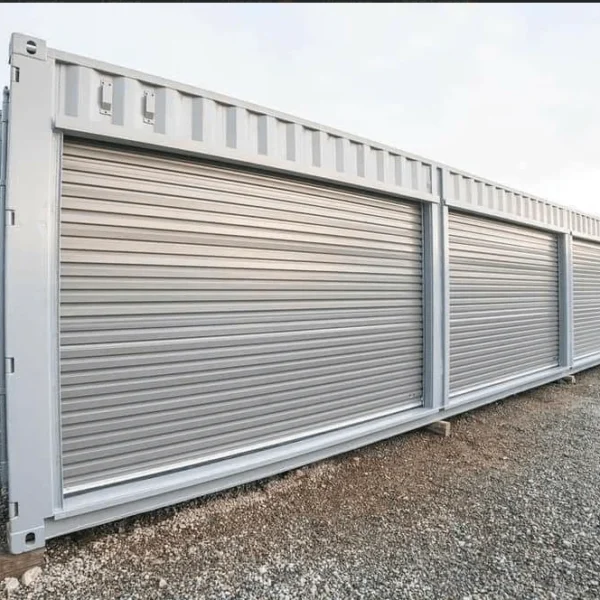
40FT. Refrigerated Container
- Footprint
- 40 ft x 8 ft
- Height
- 8 ft 6 in
Delivery $450 · 5 business days
Front of house
Commercial and retail use
Containers used in customer-facing settings need to look right as well as work. Finish, door layout and internal fit-out carry the most weight.
- New one-trip units present best where the public will see them
- Open side and double door units create wide, welcoming openings
- Consider how the unit will be secured outside trading hours
- Check local requirements for siting a unit on commercial premises
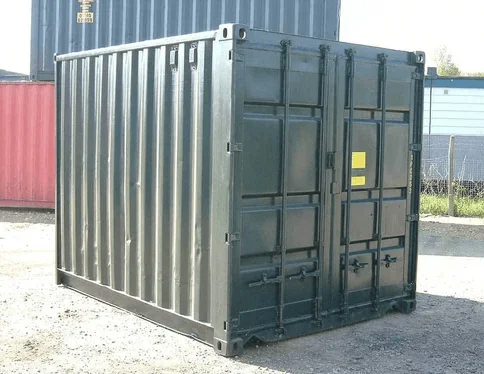
10FT RAISED BUNDED STORE (The Versatile Storage Solution)
- Footprint
- 10 ft x 8 ft
- Height
- 8 ft 6 in
Delivery $450 · 5 business days
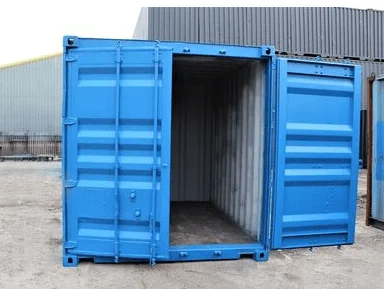
10FT Raised Bunded Storage Container
- Footprint
- 10 ft x 8 ft
- Height
- 8 ft 6 in
Delivery $450 · 5 business days
Used 10ft x 8ft Reefer Container (10 High)
- Footprint
- 10 ft x 8 ft
- Height
- 8 ft 6 in
Delivery $450 · 5 business days
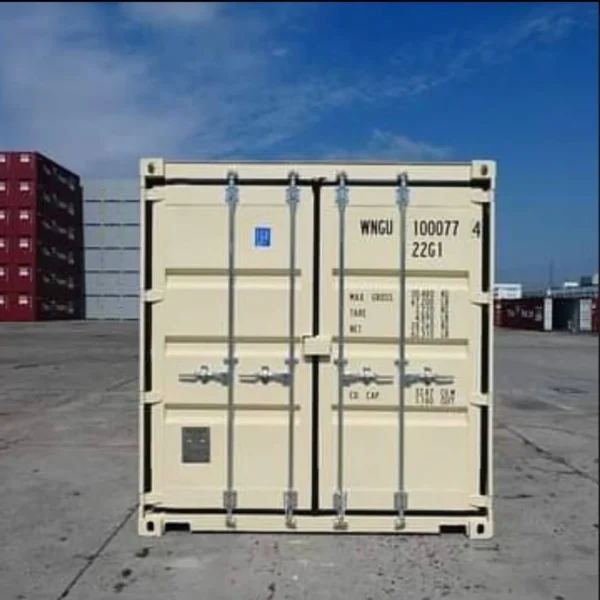
20ft Shipping OpenMesh floor Bunded Containers
- Footprint
- 20 ft x 8 ft
- Height
- 8 ft 6 in
Delivery $450 · 5 business days
Temporary and seasonal
Events and hospitality
Event use is short, intense and highly visible. Delivery timing, appearance and quick lock-up are the deciding factors.
- Book delivery with slack in the schedule
- Refrigerated units cover bar stock and catering during multi-day events
- Plan a level, firm drop point that a tilt-bed truck can reach
- Secure the unit overnight with a lock box and a closed shackle padlock
Used 10ft x 8ft Reefer Container (10 High)
- Footprint
- 10 ft x 8 ft
- Height
- 8 ft 6 in
Delivery $450 · 5 business days
20ft Dual Temperature Reefer Container
- Footprint
- 20 ft x 8 ft
- Height
- 8 ft 6 in
Delivery $450 · 5 business days
40FT Refrigerated Container
- Footprint
- 40 ft x 8 ft
- Height
- 9 ft 6 in
Delivery $450 · 5 business days
40FT. Refrigerated Container
- Footprint
- 40 ft x 8 ft
- Height
- 8 ft 6 in
Delivery $450 · 5 business days
Beyond the box
Specialty and modified containers
Where a standard box will not do, modified units change the door layout, the roof, the insulation or the interior to suit a defined job.
- Modified units are specified around a task rather than general storage
- Read the published specification carefully; modifications vary between units
- Structural changes affect stacking and lifting; ask if you plan to stack
- Specialty stock moves quickly, so availability is worth checking early
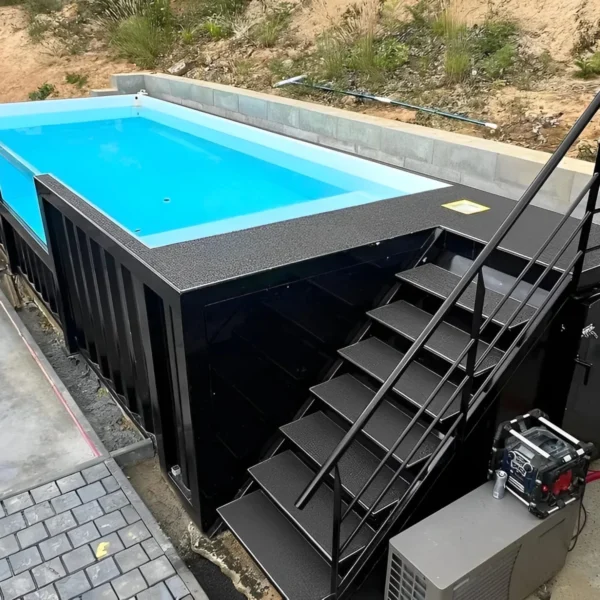
20ft Shipping Container Swimming Pool
- Footprint
- 20 ft x 8 ft
- Height
- 8 ft 6 in
Delivery $450 · 5 business days
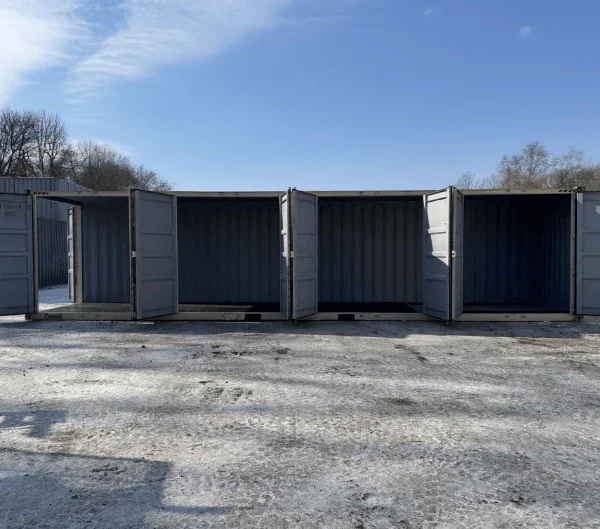
40 x 8 x 9.5 High Cube shipping/storage container
- Footprint
- 40 ft x 8 ft
- Height
- 9 ft 6 in
Delivery $450 · 5 business days
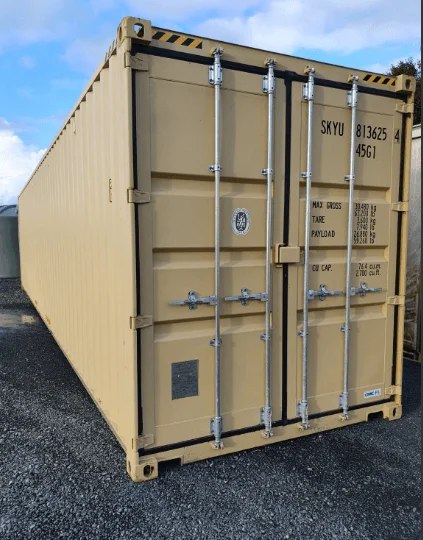
40ft High Cube Shipping Container
- Footprint
- 40 ft x 8 ft
- Height
- 9 ft 6 in
Delivery $450 · 5 business days
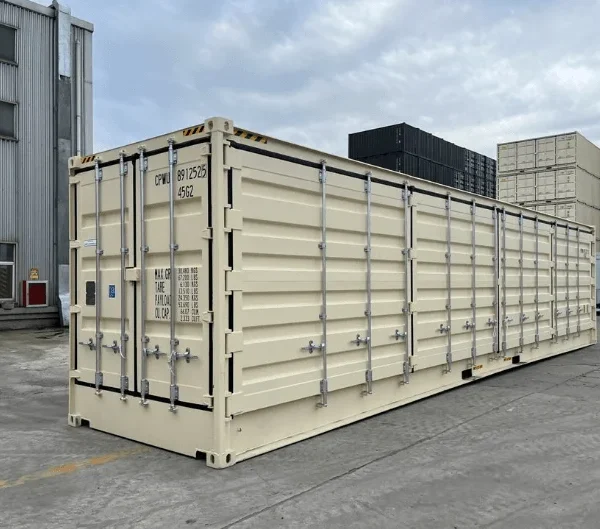
40ft High Cube Open Side Shipping Container
- Footprint
- 40 ft x 8 ft
- Height
- 9 ft 6 in
Delivery $450 · 5 business days
Not sure which applies
Use the container finder
Five questions about use, space, placement and budget produce a shortlist from the same catalogue.